
Best Daily Habits for Maintaining Good Health
Good health is influenced by many factors, but everyday habits can make a meaningful difference. Maintaining good health does not require making dramatic changes overnight. Simple routines involving nutrition, physical activity, sleep, hydration, hygiene, and stress management can support overall well-being when practiced consistently. Developing healthy daily habits can also make it easier to maintain energy, productivity, and a balanced lifestyle over time.
Start the Day With a Healthy Routine
A consistent morning routine can help establish a positive foundation for the rest of the day. Instead of immediately focusing on phones, emails, or stressful tasks, consider beginning the day with a glass of water, light movement, and a nutritious breakfast if you prefer eating in the morning.
A predictable routine can make healthy choices easier because they become part of your normal schedule rather than tasks that require constant motivation.
Eat a Balanced Diet
Nutrition is one of the most important parts of maintaining good health. A balanced diet should include a variety of nutrient-rich foods, such as vegetables, fruits, whole grains, legumes, lean protein sources, and healthy fats.
Try to limit excessive consumption of highly processed foods, added sugars, and foods that are high in unhealthy fats or sodium. Eating a diverse range of foods can help provide the nutrients the body needs for normal functioning.
Portion sizes and individual nutritional needs can vary, so a balanced approach is generally more sustainable than extreme dietary restrictions.
Stay Physically Active
Regular physical activity supports cardiovascular fitness, muscle strength, mobility, and overall well-being. You do not necessarily need an intense workout every day to stay active.
Walking, cycling, stretching, swimming, household activities, and structured exercise can all contribute to an active lifestyle. If you spend long periods sitting, taking short movement breaks throughout the day can also be helpful.
Choose activities that you enjoy, because enjoyable routines are more likely to become long-term habits.
Prioritize Quality Sleep
Sleep plays an important role in physical and mental well-being. Adults generally benefit from a consistent sleep schedule and sufficient sleep, although individual needs vary.
Going to bed and waking up at similar times can help establish a regular routine. Creating a comfortable, quiet sleeping environment and reducing stimulating activities before bedtime may also support better sleep.
Good sleep can help with concentration, mood, energy, and everyday functioning.
Drink Enough Water
Hydration is another simple but important daily habit. Water supports numerous bodily functions, and fluid requirements can vary depending on factors such as activity level, climate, diet, and individual circumstances.
Keep water available throughout the day and pay attention to signs of thirst. During hot weather or physical activity, fluid needs may increase.
Practice Good Hygiene
Everyday hygiene habits can help reduce the spread of infections and support general health. Washing hands regularly, maintaining oral hygiene, bathing appropriately, and keeping frequently used personal items clean are simple practices that can become part of a daily routine.
Dental care is particularly important. Brushing regularly, cleaning between teeth, and maintaining routine dental checkups can support long-term oral health.
Manage Stress
Stress is a normal part of life, but ongoing stress can affect overall well-being. Building simple stress-management habits into your day can help.
Deep breathing, meditation, reading, spending time outdoors, hobbies, social interaction, and gentle exercise can provide opportunities to relax. Even a short break from work or digital devices can help create mental space during a busy day.
Maintain Social Connections
Healthy relationships are an important part of overall well-being. Make time to communicate with family, friends, colleagues, or other people who provide positive social interaction.
Regular conversations and shared activities can help reduce feelings of isolation and contribute to emotional well-being.
Avoid Harmful Habits
Maintaining good health also involves reducing behaviors that can negatively affect the body. Avoiding tobacco and limiting excessive alcohol consumption are important lifestyle considerations. It is also useful to follow recommended safety practices and seek professional guidance when health concerns arise.
Make Healthy Habits Sustainable
The most effective health routines are often the ones that can be maintained consistently. Instead of attempting to change everything at once, introduce small improvements and gradually build a routine.
A daily walk, balanced meals, a consistent sleep schedule, adequate hydration, good hygiene, and time for relaxation can collectively support a healthier lifestyle. The goal is not perfection but consistency.
By making healthy choices part of everyday life, you can create routines that support long-term well-being and make good health a practical, sustainable priority.

Essential Travel Tips for Stress-Free Vacations
A vacation should be an opportunity to relax, explore, and create memorable experiences. However, poor planning can quickly turn a relaxing trip into a stressful one. Missed flights, forgotten documents, unexpected expenses, overpacked luggage, and poorly planned schedules can all affect the travel experience. Fortunately, a few practical preparations can make a significant difference. Following essential travel tips can help you enjoy a smoother and more comfortable vacation from beginning to end.
Plan Your Trip in Advance
Good preparation is one of the simplest ways to reduce travel stress. Before leaving, research your destination, transportation options, accommodation, weather conditions, local customs, and important attractions.
Create a basic itinerary that includes the places you want to visit without filling every minute of your trip. A flexible schedule gives you room to rest, explore unexpectedly, or adjust plans when delays occur.
Organize Important Documents
Travel documents should be organized well before departure. Depending on your destination, you may need a passport, visa, identification documents, travel insurance information, vaccination records, or other paperwork.
Keep digital copies of important documents in a secure location and carry physical copies when appropriate. Make sure your passport and other required documents remain valid for the entire trip and meet your destination’s entry requirements.
Pack Smartly
Overpacking can make travel uncomfortable and difficult. Instead of packing everything you might possibly need, focus on versatile clothing and essential items.
Check the weather forecast before packing and choose clothes that can be combined easily. Keep medications, travel documents, chargers, valuables, and other essential items in your carry-on bag when flying.
A small travel checklist can help you avoid forgetting important items while preventing unnecessary packing.
Create a Realistic Budget
Unexpected expenses are a common source of vacation stress. Establish a realistic travel budget that includes transportation, accommodation, food, activities, shopping, local travel, and emergency expenses.
Consider keeping a separate emergency fund for unexpected costs. Using a combination of payment methods can also be useful in case a card is lost, declined, or temporarily unavailable.
Confirm Reservations
Double-check your flight, hotel, transportation, and activity reservations before leaving. Confirm dates, times, addresses, cancellation policies, and booking details.
Arriving at an airport or hotel without checking your reservation information can create unnecessary problems. Keeping confirmation emails and booking details easily accessible can make check-in much easier.
Avoid an Overloaded Schedule
Trying to see every attraction in a destination can leave you exhausted. Instead, prioritize the experiences that matter most to you and leave some free time in your itinerary.
A relaxed schedule allows you to enjoy meals, rest between activities, and discover places that were not included in your original plan. Vacations are meant to be enjoyable, not a race to complete a checklist.
Prepare for Delays and Unexpected Changes
Travel rarely goes exactly according to plan. Flights may be delayed, weather can change, attractions can close, and transportation problems can occur.
Instead of allowing unexpected changes to ruin your trip, build some flexibility into your plans. Keep essential items with you and have alternative transportation or activity options when possible.
Stay Connected Safely
Before traveling internationally, check your mobile service and data options. Download important maps, booking information, translation tools, and travel documents so that you can access them without an internet connection if necessary.
Avoid connecting to unsecured public networks for sensitive financial activities. Using secure connections and protecting your devices with passwords can help safeguard personal information.
Take Care of Yourself
It is easy to neglect sleep, hydration, and regular meals while traveling. However, staying healthy can make a major difference in how enjoyable your vacation feels.
Drink enough water, get adequate rest, take breaks during busy sightseeing days, and carry basic personal necessities. If you take regular medication, pack enough for the trip and keep it accessible.
Enjoy the Journey
The most important travel tip is to remain flexible. Not everything will go perfectly, and unexpected experiences can sometimes become the most memorable parts of a vacation.
With organized documents, smart packing, realistic budgeting, flexible planning, and reasonable expectations, you can significantly reduce unnecessary stress. The goal of a vacation is not to complete the perfect itinerary—it is to enjoy your time, experience something new, and return home with positive memories.
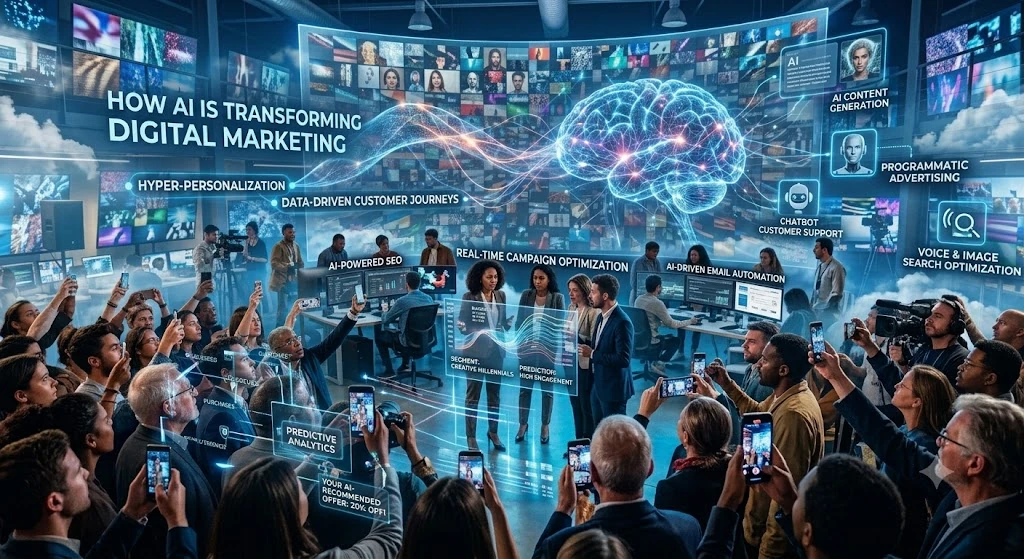
How AI Is Transforming Digital Marketing
Artificial intelligence (AI) is rapidly changing digital marketing by helping businesses understand customers, create content, automate tasks, and make better decisions. From personalized recommendations to intelligent chatbots and predictive analytics, AI allows marketers to work more efficiently while delivering more relevant experiences. As technology continues to develop, AI is becoming an increasingly important part of modern digital marketing strategies.
Smarter Customer Insights
One of AI’s biggest contributions to digital marketing is its ability to analyze enormous amounts of data. Marketers can use AI-powered systems to identify patterns in customer behavior, preferences, browsing activity, and purchasing decisions.
Instead of relying only on basic demographic information, businesses can gain deeper insights into what customers are interested in and how they interact with different marketing channels. These insights can help companies create more targeted campaigns and make informed marketing decisions.
Personalized Marketing Experiences
Consumers increasingly expect brands to provide relevant experiences. AI makes personalization easier by analyzing individual customer behavior and using that information to deliver appropriate content, advertisements, product recommendations, and offers.
For example, an online store can use AI to recommend products based on a customer’s previous searches or purchases. Similarly, marketing platforms can adjust the content shown to users based on their interests and engagement patterns. Personalization can make digital marketing more useful and engaging while helping businesses improve customer relationships.
AI-Powered Content Creation
Generative AI has introduced new possibilities for content marketing. AI tools can assist marketers with blog ideas, social media posts, product descriptions, email drafts, headlines, and other forms of content.
Rather than replacing human creativity entirely, AI can help marketing teams overcome writer’s block, generate initial ideas, and speed up repetitive content tasks. Human marketers remain important for strategy, originality, brand voice, fact-checking, and quality control.
Better Advertising and Targeting
AI is also transforming digital advertising. Advertising platforms can analyze user behavior and campaign performance to identify audiences that are more likely to engage with an advertisement or complete a purchase.
AI can help marketers optimize factors such as audience targeting, bidding, timing, and creative variations. This can improve campaign efficiency and help businesses use advertising budgets more effectively.
Chatbots and Customer Service
AI-powered chatbots are becoming common on websites, social media platforms, and messaging services. They can answer frequently asked questions, provide basic product information, assist with navigation, and help customers at any time of day.
For businesses, automated customer support can reduce response times and allow human representatives to focus on more complex issues. However, companies should ensure that customers can reach human support when an automated system cannot adequately resolve their problem.
Predictive Analytics
Traditional marketing often focuses on what has already happened. AI can help marketers look ahead by using historical data to identify possible future trends and customer behaviors.
Predictive analytics can help businesses estimate which customers may be ready to make a purchase, identify potential customer churn, and determine which campaigns are likely to perform well. These insights can support more proactive marketing strategies.
Search and Social Media Marketing
AI is changing how marketers approach search engines and social media. Search behavior is becoming more conversational, while social platforms use sophisticated algorithms to determine which content users see.
Marketers therefore need to focus on useful, authoritative, audience-focused content rather than simply relying on keyword repetition. AI can help identify content opportunities, analyze competitors, monitor trends, and evaluate engagement.
Challenges of Using AI
Despite its advantages, AI also creates challenges. Poor-quality or inaccurate AI-generated content can damage a brand’s reputation. Privacy and data protection are additional concerns, particularly when businesses use customer information for personalization.
Marketers must also avoid becoming overly dependent on automation. Successful marketing still requires creativity, empathy, strategic thinking, and a strong understanding of the target audience.
The Future of AI in Digital Marketing
AI is making digital marketing faster, more personalized, and increasingly data-driven. Businesses can use it to understand customers, automate repetitive work, improve advertising, and create more relevant experiences.
The most effective approach is likely to combine AI capabilities with human expertise. AI can process information and automate tasks at remarkable speed, while people provide creativity, judgment, emotional understanding, and strategic direction. As AI technology continues to evolve, marketers who learn to use it responsibly will be better positioned to adapt to the changing digital landscape.
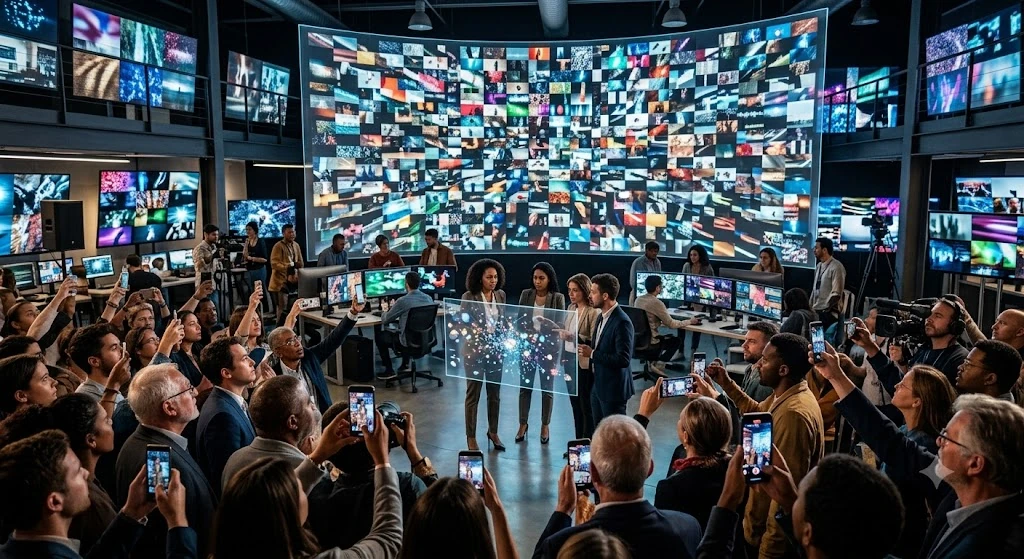
How Short-Form Videos Changed Digital Marketing
Digital marketing has changed dramatically with the rise of short-form video. Platforms built around brief, engaging videos have transformed how brands attract attention, communicate messages, and interact with audiences. Instead of relying primarily on long articles, traditional advertisements, or static images, marketers can now use short videos to deliver information within seconds. This shift has influenced content creation, advertising, customer engagement, and even the way businesses build their brands online.
The Rise of Short-Form Content
Short-form videos became popular because they fit naturally into the fast-paced habits of modern internet users. People often browse social media during short breaks, and brief videos can communicate an idea without requiring a significant time commitment.
The popularity of vertical video formats has also made content easier to consume on smartphones. Users can quickly scroll from one video to another, creating an environment where brands have only a few seconds to capture attention.
This has encouraged marketers to make their content more direct, visually appealing, and entertaining.
Capturing Attention Quickly
One of the biggest changes brought by short-form video is the importance of the opening seconds. Traditional advertisements might have had more time to introduce a product or brand, but short-form content often needs an immediate hook.
Marketers may begin with a question, surprising statement, interesting visual, demonstration, or problem that immediately captures attention. If viewers find the opening relevant, they are more likely to continue watching.
This has made creativity and storytelling especially important in digital marketing.
Making Brands More Relatable
Short-form videos have also changed how businesses present themselves. Highly polished advertising is no longer the only way to promote a brand.
Behind-the-scenes videos, employee content, tutorials, customer stories, demonstrations, and informal videos can make businesses appear more authentic. This can help create a stronger connection between brands and audiences.
For smaller businesses, short-form content provides an opportunity to compete for attention without requiring the enormous production budgets associated with traditional advertising.
Influencer Marketing and User-Generated Content
The growth of short-form video has strengthened influencer marketing. Creators can introduce products through reviews, demonstrations, tutorials, and personal experiences.
User-generated content has become equally valuable. Customers can share videos featuring products or services, creating authentic-looking recommendations that businesses can sometimes repurpose with permission.
This form of content can influence purchasing decisions because consumers often value real experiences and relatable demonstrations.
Driving Engagement and Conversions
Short videos are not simply tools for generating views. When designed effectively, they can support broader marketing goals.
A video can demonstrate how a product works, answer a common question, highlight a promotion, or direct viewers toward a website. Features such as links, shopping tools, and clear calls to action can help turn attention into measurable business activity.
Marketers can also analyze metrics such as views, watch time, engagement, shares, and conversions to understand what content performs best.
Changing Content Strategies
Short-form video has encouraged businesses to rethink their content calendars. Instead of producing one large campaign and distributing it everywhere, marketers can create multiple small pieces of content tailored to different audiences and platforms.
A single idea can become several videos with different hooks, formats, or messages. This allows businesses to experiment and quickly identify what resonates with viewers.
Challenges for Marketers
The popularity of short-form video also creates challenges. Competition is extremely high, and audiences can scroll past content within seconds. Trends can also change quickly, making it difficult for businesses to remain relevant.
Another challenge is maintaining brand consistency. Following every viral trend may generate temporary attention but can weaken a brand’s identity if the content does not align with its values or audience.
The Future of Short-Form Video Marketing
Short-form videos have permanently influenced digital marketing by making visual storytelling faster, more accessible, and highly interactive. They have changed how brands capture attention, communicate value, and build relationships with consumers.
The most successful businesses will likely focus less on simply producing more videos and more on creating useful, entertaining, authentic content. As technology develops, short-form video will continue to evolve, but its central lesson will remain: in a crowded digital environment, meaningful content must earn the viewer’s attention quickly.
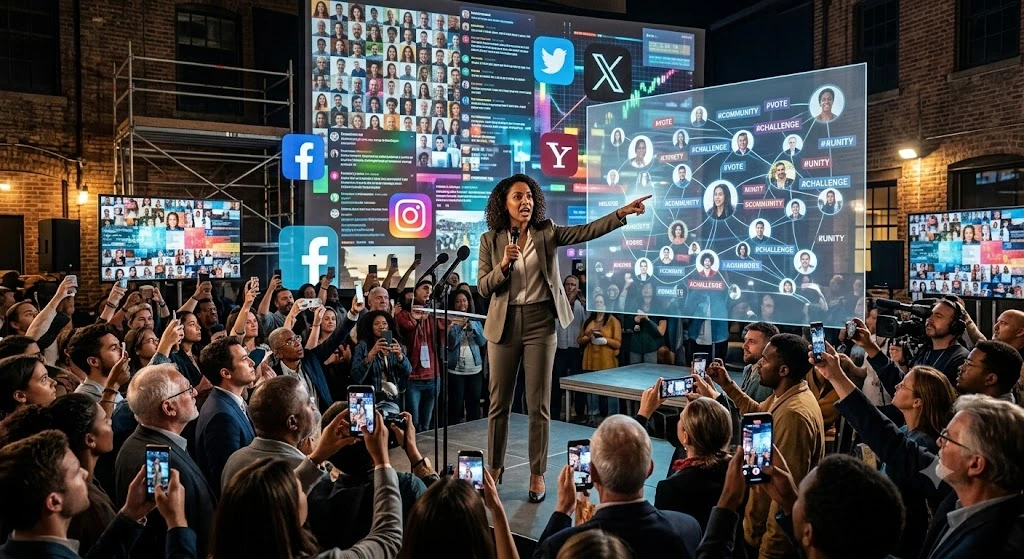
How Social Media Is Changing Political Campaigns?
Social media has transformed political campaigning by changing how candidates communicate with voters, organize supporters, raise awareness, and respond to public opinion. Political campaigns once depended heavily on television advertisements, newspapers, radio, rallies, and traditional political organizations. Today, social platforms allow candidates and political groups to communicate directly with millions of people, often within seconds. This has created new opportunities for participation while also introducing important challenges.
Direct Communication With Voters
One of the biggest changes is the ability of politicians to communicate directly with the public. Instead of relying entirely on journalists or traditional media organizations to deliver their messages, candidates can publish videos, statements, photographs, and announcements directly on social platforms.
This allows campaigns to respond quickly to breaking events and communicate with supporters without waiting for scheduled television appearances or newspaper coverage.
Direct communication can also make political figures seem more accessible and personal.
Reaching Specific Audiences
Social media allows campaigns to reach particular groups with tailored messages. Digital advertising systems can help campaigns identify audiences based on factors such as location, interests, age ranges, and online behavior, subject to platform rules and applicable laws.
This can make political advertising more targeted than traditional mass media. Instead of delivering exactly the same message to everyone, campaigns may create different content for different audiences.
However, highly targeted political communication also raises questions about transparency, privacy, and whether voters are receiving a balanced understanding of political issues.
The Role of Short-Form Video
Short-form videos have become an important part of modern political communication. Candidates can use brief videos to explain policies, respond to criticism, show campaign events, or present their personalities.
Because these videos are easy to share, a single clip can reach audiences far beyond the campaign’s existing followers. This gives political campaigns opportunities for rapid visibility.
At the same time, the pressure to create attention-grabbing content can encourage oversimplification of complex political issues.
Grassroots Organization
Social media has made it easier for supporters to organize around political causes. Campaigns can use digital platforms to announce rallies, volunteer opportunities, fundraising activities, and community events.
Supporters can also create and share their own content, expanding a campaign’s reach without every message coming directly from its official organization.
This can strengthen grassroots participation and make political organizing more accessible to people who may not be involved with traditional political groups.
Fundraising and Volunteer Recruitment
Digital platforms have also changed campaign fundraising. Political organizations can use social media to direct supporters toward donation pages and fundraising campaigns.
Similarly, campaigns can use online forms and messaging systems to recruit volunteers. People can sign up, receive information, and coordinate activities without attending a physical campaign office.
These tools can reduce organizational barriers and allow campaigns to build large networks of supporters more efficiently.
Political Discussion and Public Engagement
Social media has expanded opportunities for political discussion. Citizens can comment on speeches, debate policies, ask questions, share opinions, and communicate directly with political representatives.
This can increase political engagement, particularly among people who spend significant amounts of time online. However, online discussions can also become highly polarized, with users interacting primarily with people who already share similar political views.
Misinformation and Manipulation
One of the biggest challenges associated with social media and politics is the rapid spread of misleading information. False claims, manipulated images, misleading videos, and fabricated stories can spread quickly when users share them without verification.
Algorithms that prioritize highly engaging content may unintentionally increase the visibility of sensational material. Political campaigns and voters therefore face the challenge of distinguishing legitimate information from misleading content.
Media literacy and careful source verification are increasingly important for informed political participation.
Changing Political Strategy
Social media has made political campaigns more data-driven and responsive. Campaign teams can monitor engagement, identify popular topics, and adjust communication strategies based on audience reactions.
However, successful political communication still requires more than likes and shares. Candidates need clear policies, credible information, meaningful public engagement, and responsible communication.
The Future of Social Media in Politics
Social media has permanently changed political campaigning by making communication faster, more interactive, and more targeted. It has created new opportunities for candidates to reach voters and for citizens to participate in political conversations.
At the same time, misinformation, polarization, privacy concerns, and manipulation remain serious challenges. As platforms and digital technologies continue to evolve, political campaigns and voters will need to use these tools responsibly. The future of political communication will depend not only on reaching more people, but also on encouraging accurate information, meaningful discussion, and informed participation.
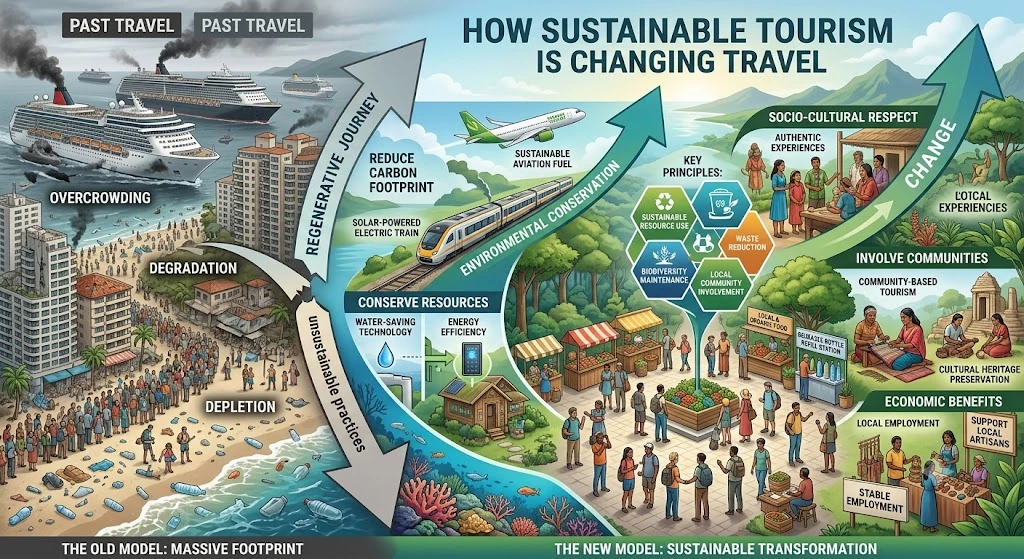
How Sustainable Tourism Is Changing Travel
Travel has become more accessible than ever, allowing people to explore new countries, experience different cultures, and discover natural landscapes. However, the rapid growth of tourism has also created concerns about pollution, overcrowding, resource consumption, and damage to local ecosystems. Sustainable tourism is emerging as an important approach to addressing these challenges. By encouraging responsible travel choices, sustainable tourism is changing the way people plan trips, choose destinations, and interact with local communities.
What Is Sustainable Tourism?
Sustainable tourism focuses on reducing the negative effects of travel while creating long-term benefits for destinations and their residents. It considers three major areas: environmental protection, social responsibility, and economic sustainability.
Rather than simply attracting as many visitors as possible, sustainable tourism encourages destinations to manage tourism responsibly. This can include protecting wildlife, conserving water and energy, supporting local businesses, reducing waste, and respecting cultural traditions.
Encouraging Eco-Friendly Travel
One of the most noticeable changes is the growing interest in environmentally friendly transportation and accommodation. Travelers are becoming more conscious of the carbon emissions associated with flights and road trips and are exploring alternatives where practical.
Trains, public transportation, walking, and cycling can reduce environmental impact while allowing travelers to experience destinations more closely. Hotels and resorts are also adopting greener practices, such as renewable energy, water-saving systems, recycling programs, and energy-efficient lighting.
Travelers can contribute by choosing accommodations that demonstrate genuine environmental responsibility and avoiding unnecessary consumption during their trips.
Supporting Local Communities
Sustainable tourism can provide meaningful economic opportunities for local residents. Instead of spending most of their money with large international businesses, travelers can support locally owned restaurants, hotels, guides, markets, and craft businesses.
Hiring local guides can also provide visitors with a deeper understanding of a destination’s history and culture. Purchasing locally produced products gives communities a direct economic benefit while helping preserve traditional skills and crafts.
This approach makes tourism more inclusive and can help ensure that the financial benefits of travel reach the people who live in popular destinations.
Protecting Natural Destinations
Popular beaches, forests, mountains, and wildlife areas can suffer when visitor numbers become too high. Litter, habitat destruction, water consumption, and disturbance to wildlife are common concerns.
Sustainable tourism encourages travelers to follow designated trails, avoid disturbing animals, reduce waste, and respect protected areas. Some destinations have introduced visitor limits, reservation systems, or seasonal restrictions to protect fragile environments.
Travelers can also choose less crowded destinations or visit popular locations during quieter periods. This can reduce pressure on heavily visited attractions while creating opportunities for lesser-known communities.
Respecting Local Cultures
Responsible travel is not only about protecting the environment. It also means respecting the people and cultures of the places being visited.
Travelers can learn basic local customs, dress appropriately where necessary, ask permission before photographing people, and avoid treating cultural traditions as entertainment. Eating local food, participating respectfully in community activities, and learning about local history can create more meaningful experiences.
Cultural respect helps preserve traditions while encouraging positive relationships between visitors and residents.
Changing Traveler Expectations
Modern travelers increasingly look beyond luxury and convenience when choosing holidays. Many want authentic experiences that align with their personal values. This has encouraged tourism businesses to offer nature-based activities, community experiences, eco-conscious accommodation, and locally focused tours.
Social media has also increased awareness of environmental issues and overtourism. Travelers can now see the effects of overcrowding and irresponsible tourism more clearly, encouraging some to make more thoughtful choices.
The Future of Sustainable Travel
Sustainable tourism is changing travel from a simple process of visiting places into a more responsible relationship between travelers, communities, businesses, and the environment.
No trip is completely impact-free, but small decisions can collectively make a difference. Choosing public transportation, reducing waste, supporting local businesses, respecting wildlife, and selecting responsible accommodations are practical ways to travel more sustainably.
As travelers become more aware of their impact, sustainability is likely to become an increasingly important part of the tourism industry. The future of travel may not simply be about seeing more places, but about ensuring those places remain healthy, vibrant, and welcoming for generations to come.
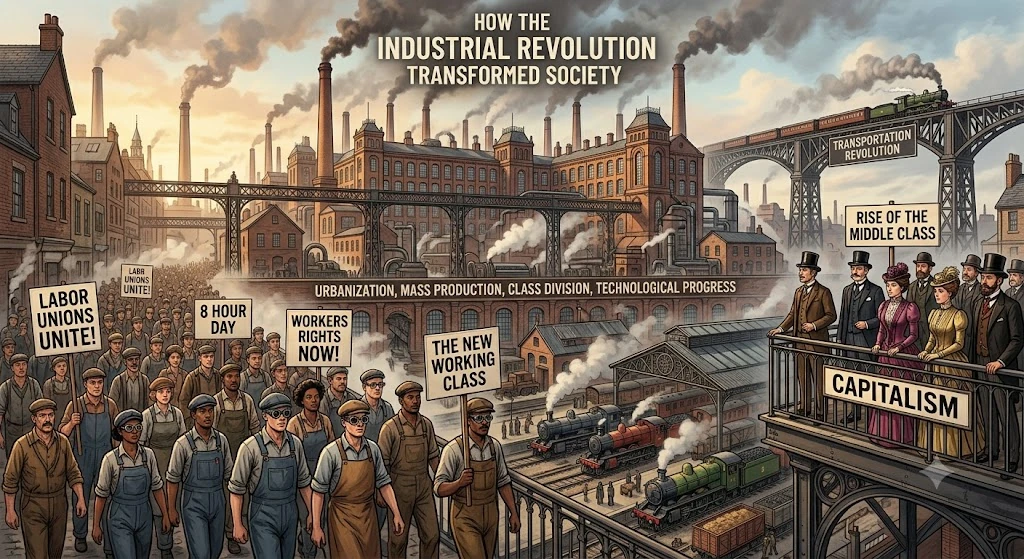
How the Industrial Revolution Transformed Society?
The Industrial Revolution was one of the most significant periods of change in human history. Beginning in Britain during the late 18th century and spreading to Europe, North America, and other parts of the world, it transformed how people worked, lived, traveled, and communicated. The shift from hand production to machines and factories created new economic opportunities, but it also introduced serious social and environmental challenges. Its effects continue to influence modern society today.
The Rise of Factories and Mass Production
Before the Industrial Revolution, most products were made by skilled workers in homes or small workshops. Production was generally slow and depended heavily on human and animal labor. The development of machines powered by water and steam changed this system dramatically.
Factories allowed large numbers of workers and machines to operate in one location. New inventions, including improved steam engines and mechanical textile equipment, increased production and reduced the time required to manufacture goods. Mass production eventually made many products more affordable and accessible to ordinary people.
Urbanization and Changing Communities
One of the most visible effects of industrialization was rapid urbanization. Factories were usually established in or around towns, attracting workers from rural areas. People moved to cities in search of employment and better economic opportunities.
As cities expanded, new neighborhoods, transportation systems, markets, and public services developed. However, urban growth was often faster than infrastructure development. Many industrial cities experienced overcrowded housing, poor sanitation, pollution, and inadequate access to clean water. These conditions eventually encouraged governments to introduce public health and urban improvement programs.
Changes in the Workforce
Industrialization completely changed the nature of employment. Factory work offered regular wages, but working conditions were often difficult. Employees could work long hours in noisy, dangerous environments, while workplace safety regulations were limited.
Women and children were also employed in many factories and mines because employers could often pay them less than adult male workers. Over time, public concern about working conditions led to labor reforms, restrictions on child labor, shorter working hours, and improved workplace protections.
The growth of factories also contributed to the development of organized labor. Workers began forming trade unions and demanding better wages, safer conditions, and reasonable working hours. These movements played an important role in shaping modern labor rights.
Economic Growth and the Middle Class
The Industrial Revolution generated enormous economic growth. Factory owners, entrepreneurs, merchants, engineers, and professionals benefited from expanding industries and markets. A larger middle class emerged, changing traditional social structures.
Banking, finance, transportation, and international trade also expanded. Railways and steamships allowed goods and people to travel farther and faster than before. This helped businesses reach new markets and encouraged international economic connections.
Improvements in Transportation and Communication
Industrialization revolutionized transportation. Steam-powered trains and ships dramatically reduced travel times and made long-distance trade more efficient. Railways connected cities and industrial centers, allowing raw materials to reach factories and finished products to reach consumers.
Communication also improved during this period. The development of the telegraph allowed information to travel across long distances much faster than traditional mail systems. These advances helped businesses, governments, and individuals communicate more efficiently.
Social and Environmental Consequences
Although industrialization brought progress, it also created significant problems. Factory emissions and coal consumption contributed to air pollution, while industrial waste contaminated rivers and surrounding areas. Rapid urbanization placed additional pressure on natural resources.
The enormous demand for coal, iron, cotton, and other raw materials also encouraged extensive mining and resource extraction. These environmental consequences became increasingly important as industrial economies expanded.
A Lasting Legacy
The Industrial Revolution changed society on an unprecedented scale. It encouraged technological innovation, economic growth, urban development, and new forms of employment. At the same time, it exposed serious inequalities and workplace problems that inspired social reform.
Modern manufacturing, transportation, cities, and many aspects of employment can be traced back to this transformative period. Most importantly, the Industrial Revolution demonstrated how technology can reshape society—not only by creating new opportunities but also by creating challenges that require thoughtful solutions. Its legacy remains visible in the modern industrial and technological world.

Why Superhero Movies Became a Global Phenomenon?
Superhero movies have evolved from a specialized entertainment category into one of the world’s most recognizable forms of popular cinema. Characters with extraordinary abilities now attract audiences across continents, inspire merchandise and video games, dominate box offices, and influence fashion and popular culture. But what explains the worldwide popularity of superhero movies? Their success comes from a combination of compelling stories, recognizable characters, technological innovation, marketing, and their ability to connect with universal human emotions.
Stories About Universal Themes
At their core, superhero stories are often about ordinary human concerns. Heroes may possess extraordinary abilities, but their struggles frequently involve responsibility, friendship, family, identity, sacrifice, justice, and overcoming adversity.
These themes can appeal to audiences regardless of nationality or culture. A viewer may not share the same background as a superhero, but they can understand the desire to protect loved ones, overcome personal weaknesses, or make difficult choices.
This emotional connection gives superhero movies an appeal that goes beyond spectacular action sequences.
The Power of Iconic Characters
Superhero characters often have distinctive personalities, costumes, abilities, and origin stories that make them easy to recognize. Characters can develop loyal audiences over many years, allowing viewers to form strong connections with them.
A successful superhero can appear in multiple films, animated projects, television shows, games, and merchandise. This creates an interconnected entertainment experience that encourages audiences to follow a character’s journey over time.
Advances in Visual Effects
Modern visual effects have played a major role in the growth of superhero cinema. Earlier filmmakers faced significant technical limitations when attempting to portray characters with superhuman abilities.
Advances in computer-generated imagery, motion capture, digital environments, sound design, and cinematography have made it possible to create convincing worlds and large-scale action sequences.
Audiences can now see fictional cities, creatures, futuristic technology, and extraordinary battles presented with a level of visual detail that was previously difficult to achieve.
Shared Cinematic Universes
Another major development was the creation of interconnected cinematic universes. Instead of treating every movie as an isolated story, studios began connecting characters and narratives across multiple films.
This approach encouraged audiences to watch several movies to understand the larger storyline. Characters could appear in each other’s stories, while major events could influence future films.
The result was similar to following a long-running television series, but on a much larger cinematic scale.
Global Marketing and Accessibility
Superhero movies also benefit from enormous international marketing campaigns. Major releases are promoted through trailers, posters, interviews, social media, merchandise, and promotional events across many countries.
International distribution allows major films to reach audiences around the world at roughly the same time. Subtitles and dubbing also make movies accessible to viewers who speak different languages.
Streaming services have further increased access to superhero entertainment by allowing audiences to discover older films and related series from home.
Connection With Pop Culture
Superhero characters have become part of everyday popular culture. Their symbols, costumes, quotes, and stories appear in toys, clothing, video games, theme parks, advertisements, and online communities.
Social media has strengthened this cultural influence. Fans can discuss theories, share artwork, create memes, review movies, and debate characters immediately after a release. This constant conversation keeps superhero franchises visible between films.
Escapism and Entertainment
Superhero movies offer a powerful form of escapism. They transport audiences into worlds where extraordinary individuals confront enormous challenges and where dramatic conflicts can have high emotional stakes.
For many viewers, the combination of humor, action, fantasy, and emotional storytelling provides an entertaining break from everyday life.
The Future of Superhero Cinema
Although audience interests change over time, superhero movies have demonstrated remarkable cultural influence. Their global success reflects more than impressive special effects or large marketing budgets. It comes from stories that combine fantasy with recognizable human emotions.
As filmmakers experiment with different storytelling styles, characters, cultures, and genres, superhero cinema may continue to evolve. Whether through traditional theatrical releases, streaming series, animation, or interactive entertainment, superheroes are likely to remain an important part of global popular culture for years to come.

What Does Homeowners Insurance Usually Cover?
Owning a home is a major financial investment, and protecting that investment can provide valuable peace of mind. Homeowners insurance is designed to help protect a house, personal belongings, and homeowners from certain unexpected losses. However, coverage varies depending on the policy, insurer, location, and selected options. Understanding what homeowners insurance usually covers can help homeowners make informed decisions and recognize potential gaps in protection.
Coverage for the Home
One of the primary purposes of homeowners insurance is protecting the physical structure of a home. Dwelling coverage can help pay for repairs or rebuilding when the house is damaged by a covered event.
Depending on the policy, covered causes of damage may include events such as fire, lightning, certain types of storms, theft-related damage, and vandalism. If a covered incident damages walls, floors, roofing, or other structural components, the policy may help pay eligible repair or rebuilding costs, subject to the policy’s deductible and limits.
Homeowners should review their policy carefully because not every type of damage is automatically included.
Other Structures on the Property
Homeowners insurance usually provides some coverage for structures that are separate from the main house. These may include detached garages, sheds, fences, or other qualifying structures.
Coverage limits for these structures are generally different from the limit for the main dwelling. If a detached garage is damaged by a covered event, for example, the policy may contribute toward repairs within the applicable coverage limits.
Personal Belongings
Homeowners insurance can also protect personal possessions inside the home. Furniture, clothing, electronics, appliances, and other belongings may be covered when they are damaged, destroyed, or stolen because of a covered event.
Some valuable possessions may have special coverage limits. Jewelry, collectibles, artwork, expensive electronics, and other high-value items may require additional coverage or scheduled protection. Keeping receipts, photographs, and an inventory of valuable belongings can make the claims process easier.
Liability Protection
Another important component is personal liability coverage. It can help protect homeowners financially if they are legally responsible for someone else’s bodily injury or property damage in situations covered by the policy.
For example, if a visitor is injured on the property and the homeowner is found legally responsible, liability coverage may help with eligible legal expenses, settlements, or judgments, subject to policy terms and limits.
Liability coverage may also apply to certain incidents away from the home, depending on the policy.
Additional Living Expenses
If a covered event makes a home temporarily uninhabitable, homeowners insurance may provide additional living expense coverage. This can help with certain extra costs incurred while the home is being repaired.
Eligible expenses may include temporary accommodation and certain additional food or transportation costs. The coverage generally applies only when the underlying event is covered and is subject to policy limits.
What Homeowners Insurance Usually Does Not Cover
Understanding exclusions is just as important as understanding coverage. Standard homeowners policies typically do not cover every possible cause of damage.
Flooding is commonly excluded from standard homeowners insurance and may require separate flood insurance. Earthquake damage may also require specialized coverage. Normal wear and tear, maintenance problems, and certain pest-related damage are generally not covered.
Homeowners should also pay attention to specific exclusions and limitations related to their location and policy.
Choosing Appropriate Coverage
The right amount of homeowners insurance depends on factors such as the home’s rebuilding cost, property value, personal possessions, liability risks, and local conditions.
Homeowners should regularly review their policies, particularly after renovations, major purchases, or changes to the property. Updating coverage can help ensure that important improvements and possessions are adequately protected.
Final Thoughts
Homeowners insurance usually protects the home, other structures, personal belongings, liability, and certain additional living expenses when losses result from covered events. However, coverage is never identical for every homeowner.
Reading the policy carefully and understanding deductibles, limits, exclusions, and optional coverage is essential. A well-understood insurance policy can provide valuable financial protection when unexpected events affect one of the most important investments a person can make.